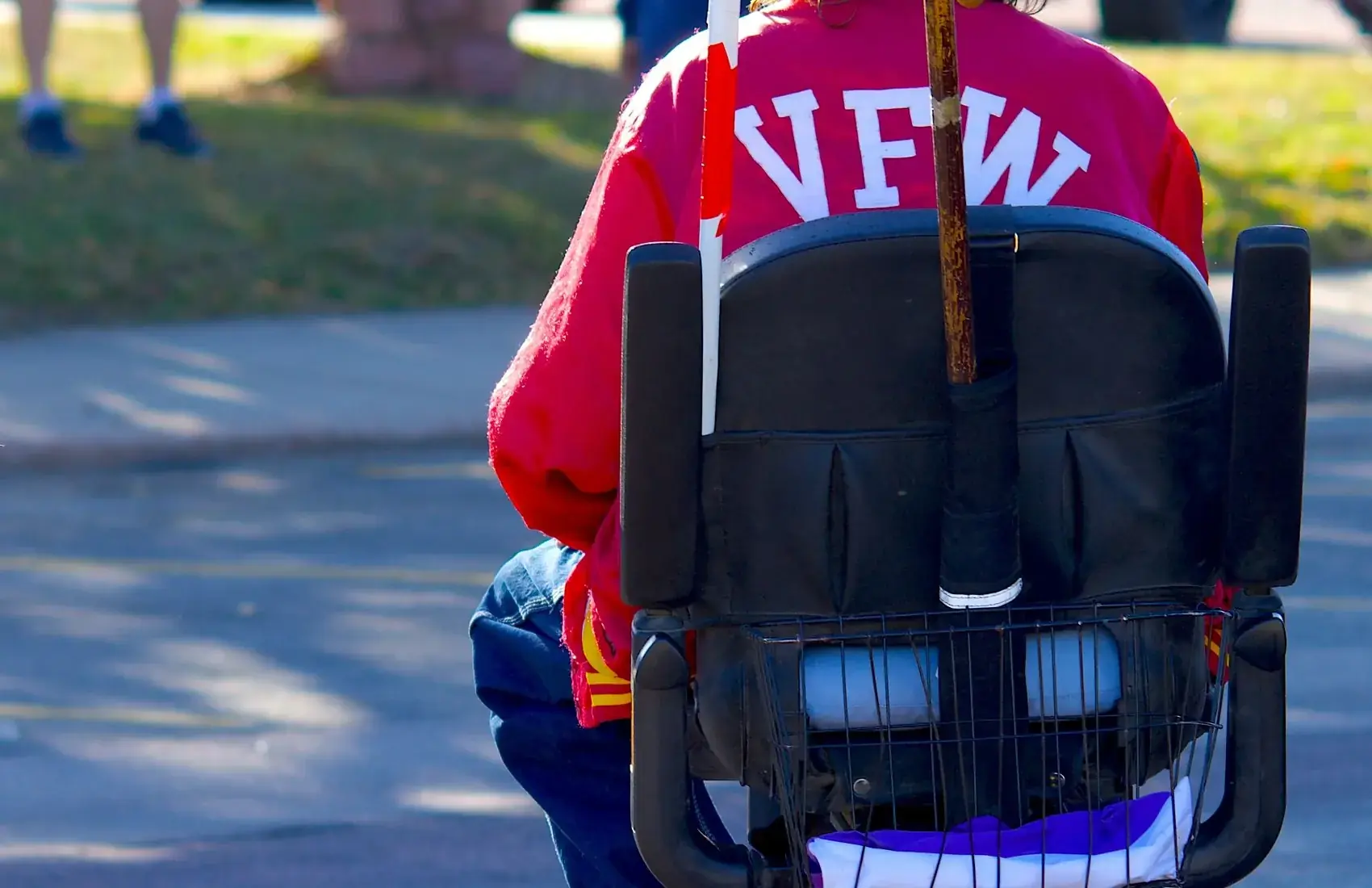
Begin with your actual VA care team
For a veteran who cannot move safely, the best first call may be to their VA primary care team, not an equipment seller. VA prosthetics, home modification benefits and veteran-serving nonprofits solve different problems, and this guide explains where to begin.
Where a veteran should start when mobility becomes unsafe
A veteran may spend months adapting daily routines before asking for a power chair. Some people begin using a walker, then discover it does not get them safely through the hallway or into a bathroom. Others lose the ability to propel a manual wheelchair. The useful first conversation is not about a brand or whether a company advertises a free scooter. It is with the VA team responsible for the person's medical care and rehabilitation.
VA Prosthetic and Sensory Aids Service, commonly called PSAS, coordinates many prescribed devices and accessibility services. The VA says general eligibility for prosthetic services and items is for veterans enrolled in VA healthcare who have a medical need, while additional rules can apply to individual programs. Veterans may be evaluated for scooters, manual or powered wheelchairs, accessories, repairs and related adaptations depending on a clinical prescription.
Call your VA primary care team or local VA medical center and describe what happens when you try essential activities. Ask for a physical medicine, rehabilitation, PT or OT evaluation and a referral to PSAS where appropriate. If you have not enrolled in VA healthcare, first use VA's official eligibility and enrollment process. A disability compensation award does not by itself replace a clinical device assessment.
How VA Prosthetics and Sensory Aids Service supplies mobility equipment
VA's Prosthetic and Sensory Aids Service is broader than artificial limbs. VA's public description includes mobility devices, walkers, wheelchairs, ramps, vehicle modifications, communications equipment and repairs. Regulation 38 CFR §17.150 is relevant to the furnishing of prosthetic appliances and related medical equipment. The actual decision also draws on VA clinical directives, enrollment rules and the needs documented in the veteran's treatment record.
An enrolled veteran who needs a long-term wheeled mobility device may receive a customized power wheelchair or scooter when the clinical assessment supports that choice. VA VHA Directive 1173.06 explains that manual and powered devices are prescribed based on individual medical needs, and long-term needs may require complex or customized equipment. Different services coordinate the clinical and ordering steps; a private retail receipt is not necessarily reimbursable.
Ask the treating team who makes the prescription, whether a mobility seating assessment is needed, and which VA prosthetics representative will manage the authorization. For a veteran who cannot steer a tiller or transfer safely, a power wheelchair may be considered instead of a scooter. Request instructions about safe charging, battery service, controls, maintenance and replacement. The device should match the person and home, not just the facility's current model list.
VA mobility scooter eligibility is based on care needs, not a universal giveaway
VA mobility scooter eligibility begins with healthcare status and a clinical reason to use the device. Unlike some social media offers, a veteran does not obtain a wheelchair simply by entering a service number into an online form. The treating team reviews the limitations affecting safe mobility and chooses whether a scooter, manual chair, power chair or other aid is appropriate. Specific vehicle or home modification grants have their own additional statutory requirements.
Some veterans mistakenly believe a 100% service-connected disability rating is required for every VA power wheelchair. VA's general PSAS eligibility statement instead describes enrolled veterans with medical need, although a service-connected condition or other qualification may be important for some separate benefits. Do not assume eligibility or exclusion from a rating alone. Ask the VA medical team to review the actual device benefit and any applicable priority group or benefit category.
Also distinguish the item from other VA health charges. VA may issue clinically prescribed prosthetic equipment without a retail purchase or device-specific copay to qualifying veterans, but visit charges and eligibility details can differ. We therefore do not promise every veteran every device for $0. Before ordering accessories or paying an outside supplier, ask PSAS for written authorization and a clear explanation of any financial responsibility.
A tiller scooter is not always the right choice for an injured veteran
Many mobility scooters rely on a tiller, stable seated posture and a safe transfer in and out of the seat. That can work for a veteran who is able to operate the controls reliably and navigate the usual environment. It may not work for someone with significant trunk weakness, poor hand control, pressure injury risk or a need for custom seating. A power wheelchair can offer joystick or alternative controls, positioning support and different transfer characteristics when clinically appropriate.
A VA mobility assessment can include strength, coordination, endurance, seating, sensation, vision, cognition, indoor maneuvering and caregiver support. For veterans with complex injuries, it may involve rehabilitation specialists or an Assistive Technology Professional. The objective is a safe device that supports actual daily function; a large outdoor scooter is not automatically better than a smaller clinically fitted power wheelchair.
Ask whether your home can accommodate the chosen equipment. Check the tightest doorway, bed transfers, bathroom access, thresholds, charging location and any steep entry ramp. A scooter that fits in a vehicle trunk may still be unsafe during transfers. If the disability requires more than a basic power chair, discuss specialized seating and repair support before signing a delivery record.
VA HISA home ramp benefits: $6,800 and $2,000 are lifetime caps
A prescribed wheelchair may solve one challenge and expose another: the front steps, bathroom doorway or kitchen counter make the home inaccessible. VA Home Improvements and Structural Alterations, known as HISA, can support medically necessary permanent changes to a veteran's primary residence. VA examples include permanent ramps to enter or exit the home, modifications to essential bathroom facilities, certain sink or counter adjustments, and necessary plumbing or electrical work for home medical equipment.
According to VA's current HISA guidance, the lifetime benefit cap is $6,800 for qualifying service-connected disabilities and certain other defined categories, including some veterans with a service-connected disability rated at least 50%. The separate $2,000 lifetime cap applies to disabilities outside those higher-cap categories. These are maximum benefits under applicable eligibility, not automatic checks or the amount every veteran receives. The project still needs clinical approval and qualifying improvements.
HISA does not normally pay for a portable ramp, porch lift, stair glide, exterior deck or general home maintenance simply because those items are useful. Ask whether the proposed ramp is considered a permanent structural alteration and confirm the project's cost, required bids, medical justification and local approval. Many veterans should not start a construction project before receiving an eligibility decision; a denial after work begins is an avoidable expense.
| VA Prosthetics (PSAS) | Prescribed scooter, power/manual chair, repairs | VA healthcare and clinical medical need | VA-specific rules; don't assume retail bills | VA care team / PSAS medical center |
| VA HISA home modifications | Permanent home ramps and bathroom access | Qualifying veteran, medical need, lifetime cap | Up to $6,800 or $2,000 lifetime caps | PSAS / VA Form 10-0103 |
| VA Automobile Adaptive Equipment | Vehicle lift or approved modifications | Qualifying service-connected condition; approval | VA schedule and benefit criteria | PSAS / Form 10-1394 |
| PVA Benefits Advocacy | Service officer benefit or claim assistance | Veteran service and advocacy criteria | Generally no charge for advocacy | PVA National Service Officers |
| DAV Medical Transportation | Volunteer rides to VA appointments | Local participation; available capacity | Free program where available | DAV Hospital Service Coordinator |
| Semper Fi & America's Fund | Specialized chairs or vehicle modification help | Wounded, critically ill/injured eligibility | Case-specific charity support | The Fund official case manager |
| CAF Operation Rebound | Adaptive sports wheelchair or handcycle | Eligible veterans and physically disabled athletes | Grants vary by award and program | Operation Rebound application |
Program inventory, authorization periods and costs are not guaranteed. Confirm details with the responsible official source.
The correct HISA form is VA Form 10-0103, not the vehicle lift form
VA Form 10-0103 is the Veterans Application for Assistance in Acquiring Home Improvements and Structural Alterations. Its official VA page identifies a February 2025 form revision. A veteran seeking an accessible doorway, a permanent home ramp or another qualifying modification should ask the local PSAS or HISA coordinator about the current submission process. The form belongs to the VA medical facility responsible for the veteran's care, not to a private online grant database.
Documentation can include a medical determination, project description, itemized contractor bid, plans or photographs, and an explanation of how the proposed work addresses an accessibility limitation. Local facilities may collect some information through their own systems after a clinician enters a consult. Ask for the applicable documents before sharing private home photographs or identifying information. The official VA process, not our website, determines whether the work and proposed cost qualify.
If you rent your residence, have a condominium association or share ownership, check additional permissions before making commitments. The lifetime benefit cap applies across qualifying HISA work, so prior assistance may affect the amount remaining. Be clear about what problem the modification should solve: the entry path, bathroom access or ability to use prescribed home medical equipment.
A wheelchair vehicle carrier or lift requires a different VA process
A home ramp and a vehicle lift are different benefits. VA automobile allowance and adaptive equipment rules may help certain veterans with service-connected disabilities obtain qualified vehicle modifications or accessibility equipment. Eligibility is narrower than general VA healthcare enrollment. Examples can include loss or permanent loss of use of a hand or foot, specified vision loss, certain severe burn injuries, ALS or another qualifying condition under the published rules.
VA Form 10-1394 is the Application for Adaptive Equipment - Motor Vehicle. The official VA page identifies a June 2024 revision and directs applicants to the prosthetics representative at a VA medical center. A separate VA Form 21-4502 addresses an automobile or other conveyance allowance and related adaptive equipment. A veteran may qualify for one benefit and not another, so do not use these forms interchangeably.
Ask PSAS or a VA driver rehabilitation specialist whether a wheelchair carrier, vehicle lift, accessible entry feature or another adaptation is medically and legally appropriate. VA states that eligible veterans generally need approval before buying a vehicle or adaptive equipment. A retail lift purchased first is not a guaranteed reimbursement claim. For non-qualifying vehicle modifications, a charity specializing in transportation assistance may be worth contacting.
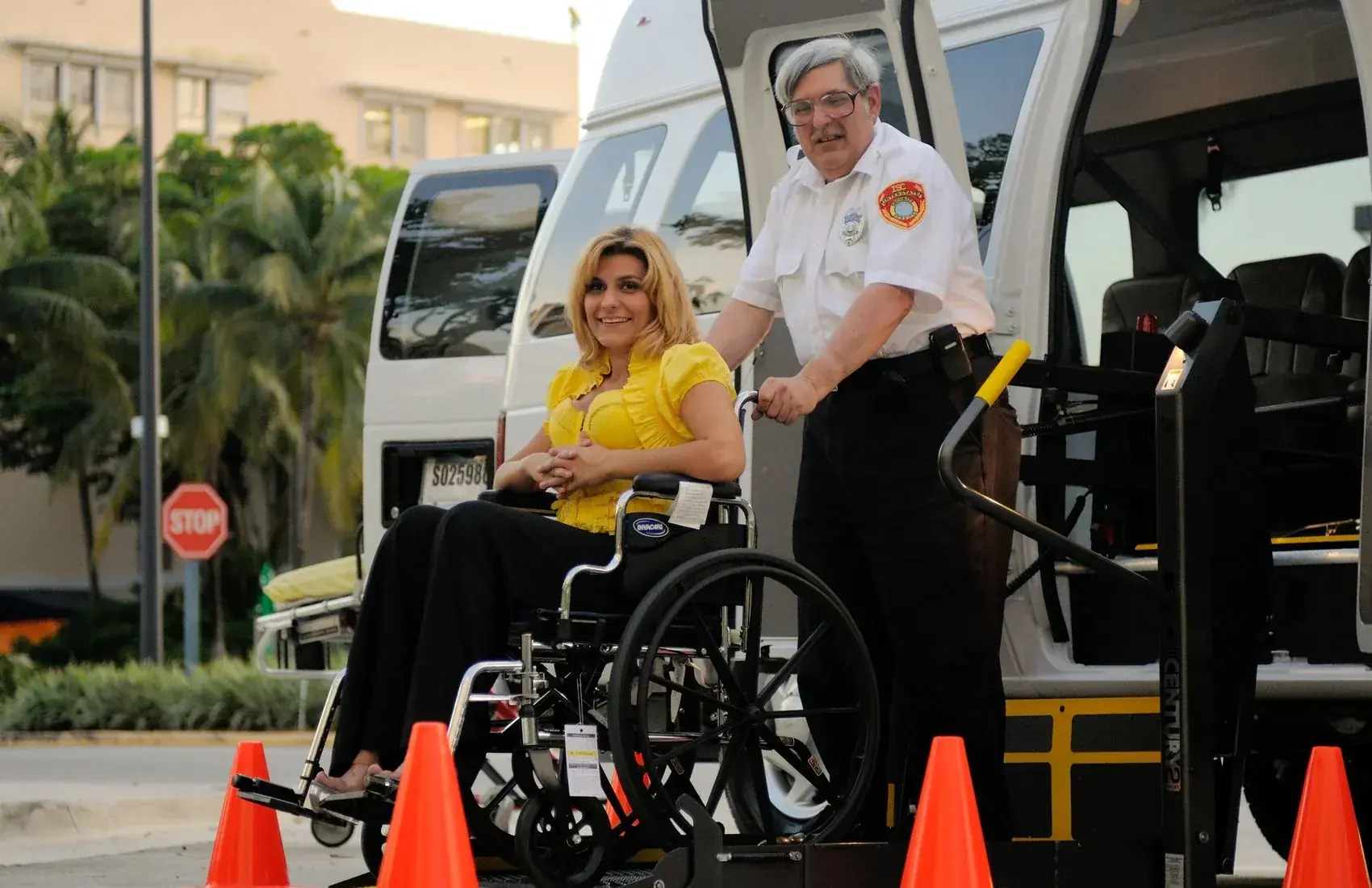
Battery replacement, maintenance and adjustments still matter
A mobility device is an ongoing part of daily living, not a one-time purchase. Battery life, charging equipment, brake systems, seating cushions and controllers can all need attention. VA PSAS describes prosthetic item repairs among the services it provides, and VHA wheeled mobility policy addresses appropriate equipment management. Keep the contact details from the facility that issued your device so you know who should evaluate a malfunction.
If a power chair begins stopping unexpectedly, feels unstable or develops a failed battery, contact the prescribing VA team or prosthetics office before paying an unfamiliar repair company. Describe the symptoms, model and any immediate safety issue. A qualified technician should assess high-voltage or battery components. If the device becomes unusable, ask the VA team whether a temporary mobility aid or repair arrangement can be made.
Not every elective upgrade is a covered replacement. A request to change color, add comfort features or buy a lighter travel scooter is different from a clinician-documented change in mobility or a necessary repair. Ask whether a new clinical evaluation is needed, what equipment you should continue using safely, and which service will approve the replacement or alteration.
Paralyzed Veterans of America can help navigate benefits and claims
Paralyzed Veterans of America, commonly called PVA, has a long history of helping veterans with spinal cord injuries and disorders and providing benefits advocacy. Its National Service Officer network can assist eligible veterans with VA benefit questions, claims and appeals. That is valuable when a veteran needs help understanding the proper channel for prosthetics or an accessibility claim, even though it is not the same as a national scooter warehouse.
Before asking for an equipment referral, explain whether you have VA healthcare, whether a clinician made a mobility recommendation, and whether a decision or denial has already been issued. A service officer may help you identify the correct VA office or the appropriate process to challenge a benefits decision. The actual device is selected and authorized through the clinical and program rules, not by a service officer's promise to provide it.
Not every PVA office or chapter maintains an equipment loan closet. Some local veteran organizations do lend wheelchairs or can refer people to state assistive technology programs, but that service must be verified at the local level. Ask the local chapter about current inventory, service area and whether a medically trained person checks equipment safety before a veteran uses it.
DAV transportation is real, but it is not a nationwide wheelchair grant
Disabled American Veterans, or DAV, operates a volunteer medical transportation network in many VA communities. Its official program helps eligible injured and ill veterans travel to VA healthcare appointments through local hospital service coordinators. This service can make a real difference when a veteran is waiting for equipment, but it should not be presented as a promise of a donated scooter or vehicle lift.
DAV's national site provides a directory to find the local hospital service coordinator. Availability depends on volunteers and service geography, so it cannot cover every community or transport need. Ask whether the program can accommodate your actual mobility aid, whether an accessible vehicle is available and how far ahead trips need to be scheduled. Do not assume the transport service offers custom seating or long-term loan devices.
Individual DAV chapters and other veterans groups may occasionally know about local equipment exchanges. Their local support is worth investigating, but do not confuse a chapter referral with a nationally funded free electric wheelchair program. A safe temporary loan requires proper fit, charging, brakes and a documented return arrangement.
Semper Fi & America's Fund and Operation Rebound serve different needs
Semper Fi & America's Fund describes individualized assistance for wounded, critically ill and injured service members, veterans and families. Its specialized and adaptive equipment program includes customized wheelchairs and other tools to support recovery and daily functioning. The organization also describes adaptive vehicle grants and modifications. A case manager reviews a person's situation, and eligibility depends on the program rather than military service alone.
Contact the Fund through its official support request and describe the general mobility problem and what VA has already evaluated. Ask whether the relevant program can review equipment, transportation or accessibility needs. Do not imply a case manager has already approved a benefit, and do not send private medical records through random social media messages. The Fund's published contact number is 760-725-3680, but using the official website is the best way to verify current intake instructions.
Challenged Athletes Foundation's Operation Rebound supports veterans, military personnel and first responders with permanent physical disabilities through adaptive sports participation. Its year-round grants can include equipment such as racing wheelchairs, prosthetics and handcycles, plus training or competition needs. This is sports and adaptive recreation support, not a general promise to fund an everyday medical scooter. Match the application to the program's real purpose.
Where to find veteran electric wheelchair grants and what to prepare
People search for veteran electric wheelchair grants when insurance and the VA process seem slow or confusing. The term covers very different opportunities: prescribed VA healthcare equipment, an HISA home improvement award, a vehicle adaptation, a specialized nonprofit grant, or local equipment reuse. Each has its own proof requirements. A single 'veteran grant application' that covers them all is usually a marketing claim, not an official federal procedure.
Start a folder with non-sensitive notes: VA healthcare enrollment status, treating team's contact, a description of what tasks are difficult, the proposed device or adaptation, and the official reference number if the VA has issued one. For HISA, ask which contractor estimates and medical justification are needed. For vehicle adaptations, ask about eligibility and approval before purchase. For a charity, confirm its target population and intake status before discussing private records.
Be suspicious of calls offering free mobility scooters for veterans without a clinical evaluation, or asking for your Social Security number, VA account password, Medicare Beneficiary Identifier or upfront processing fee. Verify official organizations using independently located URLs. VA and qualified charities can answer questions about programs; a telemarketer cannot guarantee the next wheelchair, ramp, battery or lift is already yours.
Historical Program Evolution: From 2018–2020 CMS PMD Prior Authorization to 2026 Mobility Grants
Historical waivers, office procedures and donated equipment records do not prove that those temporary rules or items are available now.
CMS power mobility prior authorization and state assistive technology reuse networks provided separate medical and community routes.
Emergency telehealth rules and equipment supply disruptions temporarily affected clinical procedures and community inventory.
CMS recognized qualifying power-seat elevation equipment in 2023; specialty seating and clinical documentation policies continued to evolve.
Medicare, state Medicaid, HCBS waivers, VA PSAS and nonprofit reuse remain separate. Recheck authorization and current program availability.
VA wheelchair and mobility scooter FAQs
Can veterans get a free mobility scooter from the VA in 2026?
VA PSAS may furnish medically necessary prescribed scooters or powered wheelchairs to eligible enrolled veterans. Clinical assessment and authorization matter; the program is not an unconditional giveaway for everyone with a veteran status.
What determines VA mobility scooter eligibility?
General prosthetic eligibility starts with VA healthcare enrollment and a documented medical need, with program-specific rules. A VA care team assesses whether a manual chair, scooter or power wheelchair is appropriate and which ordering process applies.
Are veteran electric wheelchair grants available through charities?
Some military-serving charities fund specialized mobility equipment for eligible veterans, but their purposes differ. Semper Fi & America's Fund may assess customized daily-living equipment needs; Operation Rebound focuses on adaptive sports rather than every medical chair.
Does a veteran need a 100% disability rating for a VA power wheelchair?
Not as a universal rule. VA's general prosthetic eligibility statement emphasizes enrolled veterans with medical need; certain separate grants, such as HISA at higher caps or automobile adaptations, have additional service-connected requirements.
How much does a VA HISA grant pay for a home ramp?
HISA has lifetime caps of $6,800 or $2,000 depending on disability and program eligibility. It supports medically necessary permanent modifications, not automatic payment for every portable ramp, staircase lift or general construction project.
Which VA form is used for a wheelchair vehicle lift?
VA Form 10-1394 addresses automobile adaptive equipment, and VA Form 21-4502 is used for the automobile allowance in qualifying cases. Home improvements through HISA instead use VA Form 10-0103; ask the local VA medical team which process applies.
Does DAV give every veteran a wheelchair or scooter?
No. DAV's national verified program is volunteer medical transportation to VA facilities, with local availability. Individual chapters may know regional equipment loan resources, but there is no nationwide DAV scooter guarantee.
Can I ask for repairs or a new battery on a VA-issued power chair?
Yes, contact the issuing VA prosthetics office or care team to discuss device function and repair needs. Repairs and replacements depend on authorization and clinical circumstances, and you should avoid a random retailer promising reimbursement without approval.
Verify current requirements at the official portal
Official government and nonprofit pages can change. These links are starting sources, not individual eligibility decisions.
Ask the correct VA team first
Confirm VA PSAS medical evaluation before buying equipment. Home ramps, vehicle lifts and specialized charity awards use separate eligibility rules.
Open VA Resource Finder