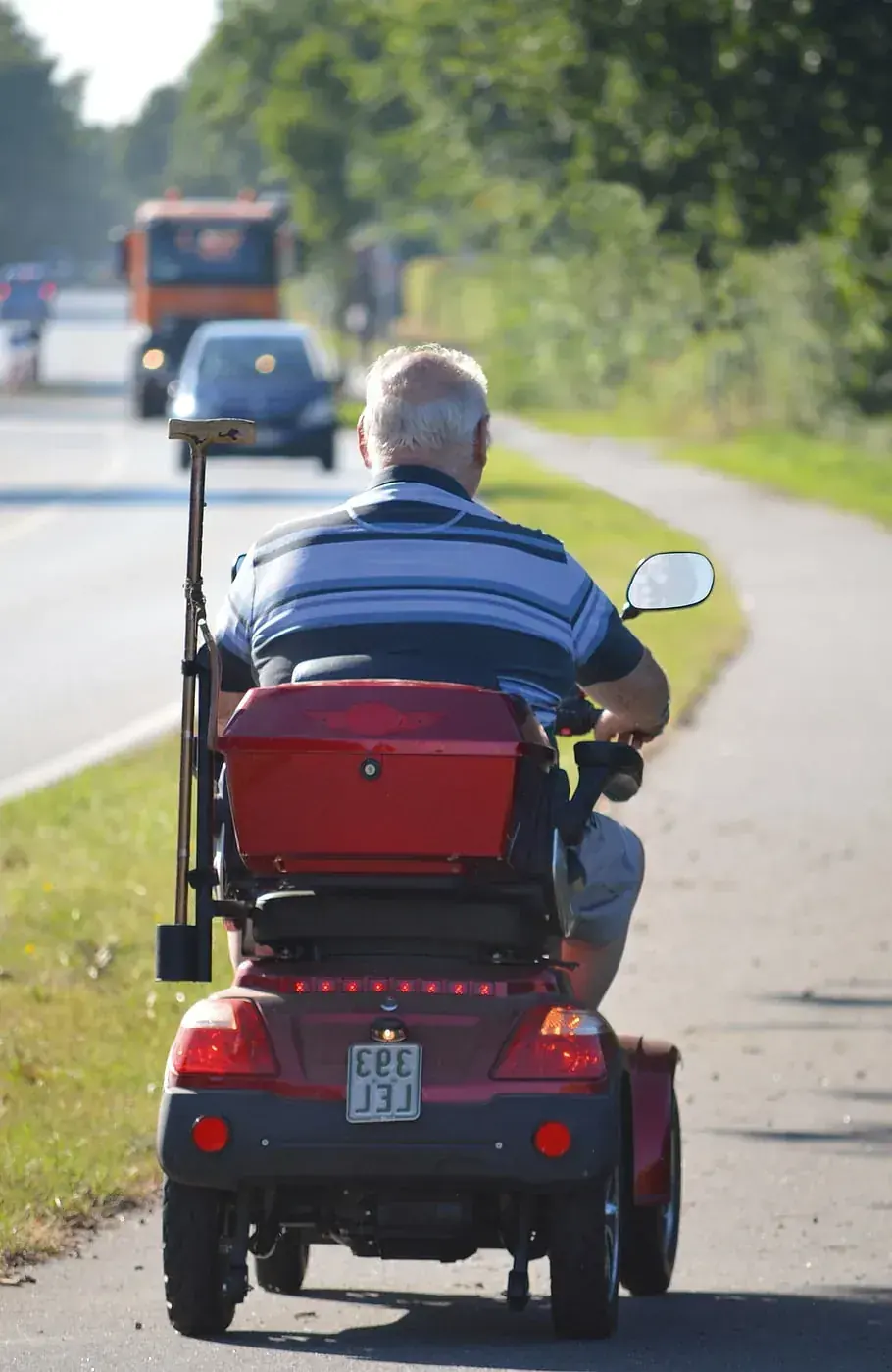

Find the help that fits your mobility needs.
There is no single federal scooter giveaway. Medicare, Medicaid, VA programs, community donations and repair assistance all work differently. Compare what each program can provide, check the requirements, and continue directly to the right application information.
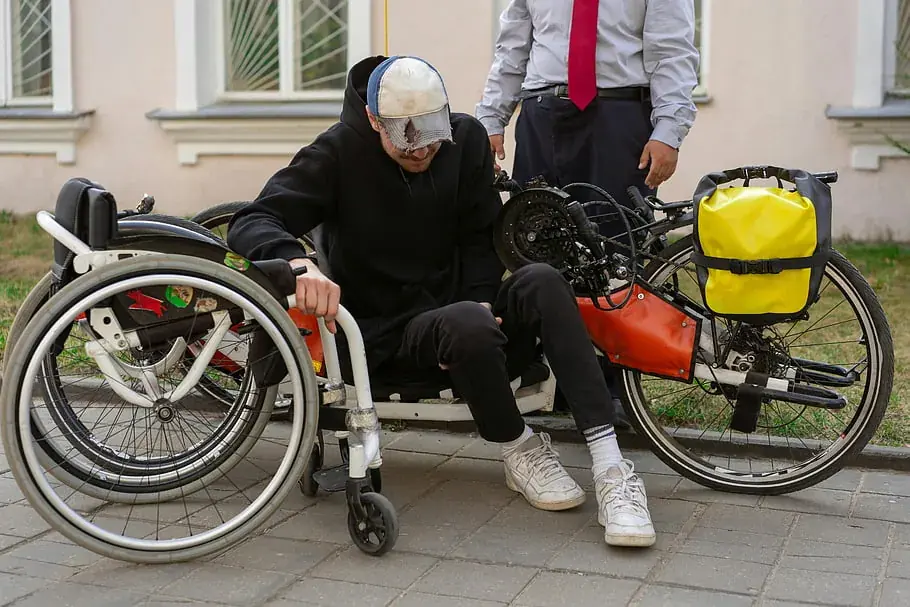
Six places to check for scooter assistance in 2026
Free mobility scooters come through different types of assistance, not a single nationwide giveaway. Compare clinical requirements, available equipment, and possible out-of-pocket costs before choosing an official program.
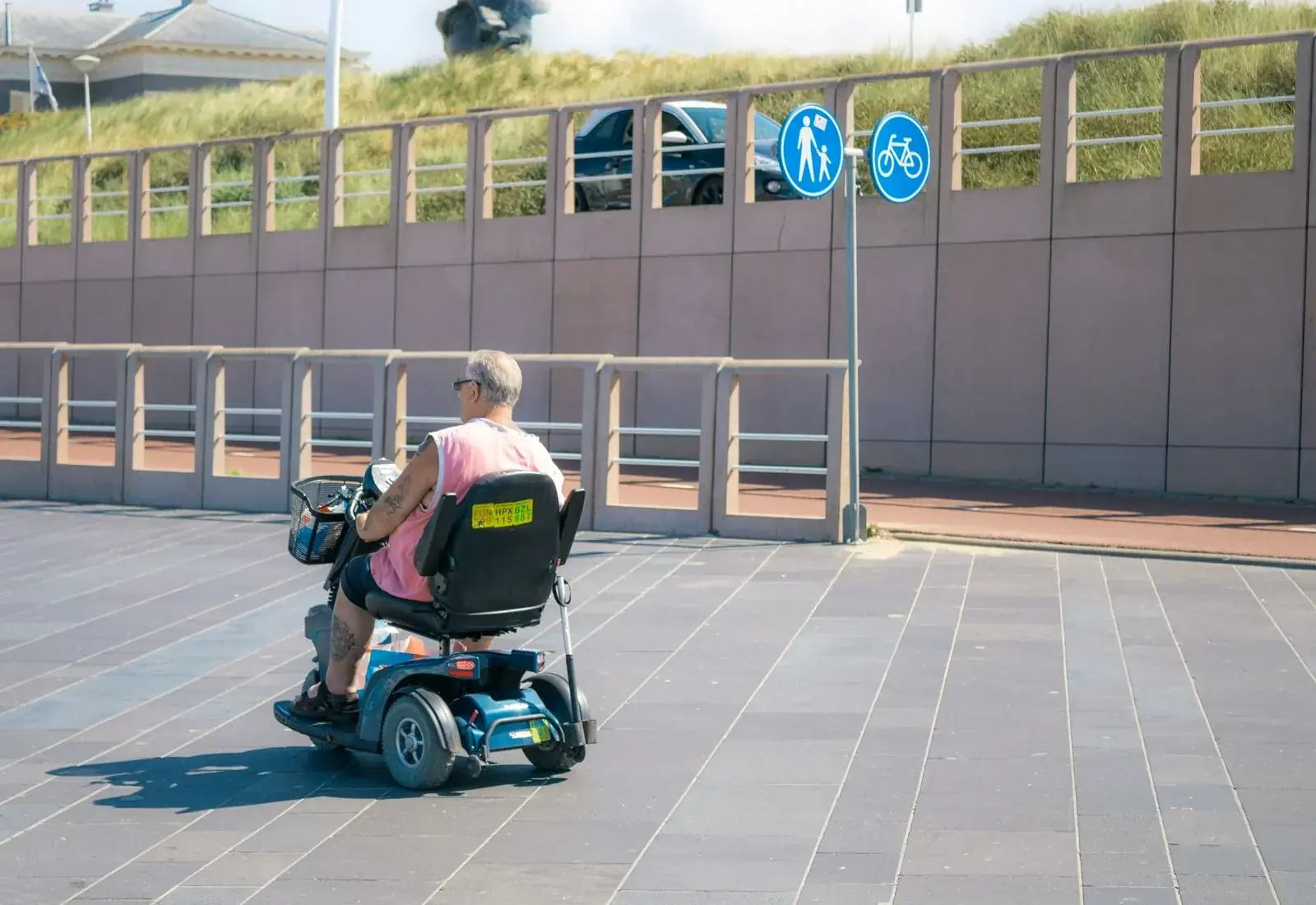 MEDICARE PART B
Medicare Part B durable medical equipment
Original Medicare can help pay for a power-operated vehicle or power wheelchair when a treating practitioner documents a qualifying mobility limitation that interferes with daily activities inside the home. A cane or walker must be insufficient, the equipment must fit and be usable safely at home, and you need a valid written order from your treating practitioner. The enrolled DMEPOS supplier coordinates paperwork and applicable prior authorization.
See criteria & costs
Original Medicare generally pays 80% of the approved DME amount after you meet the Part B deductible, leaving 20% coinsurance when the supplier accepts assignment. Medicaid or supplemental coverage may help with that amount, but do not presume an automatic $0 bill. Ask your plan about deductibles, coinsurance and supplier participation before accepting delivery. See the Medicare scooter and wheelchair rules for a more detailed process.
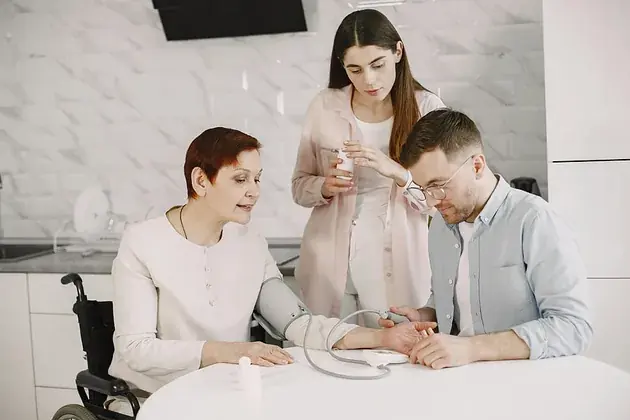 STATE MEDICAID
State Medicaid equipment coverage and HCBS waivers
State Medicaid programs may cover medically necessary durable medical equipment for eligible beneficiaries. Some states also operate Home and Community-Based Services waivers under section 1915(c), with separate assessment, authorization and participation criteria. These services may be valuable when a person's safety, home support, or community participation needs extend beyond Original Medicare's rules.
See criteria & costs
Start by calling the number on your Medicaid coverage card and asking which supplier, clinician assessment and authorization process applies to powered mobility equipment. A power wheelchair is not automatically approved because someone receives Medicaid; each program evaluates the device, its purpose and documentation. Our Medicaid and low-income power wheelchair guide explains the questions to ask.
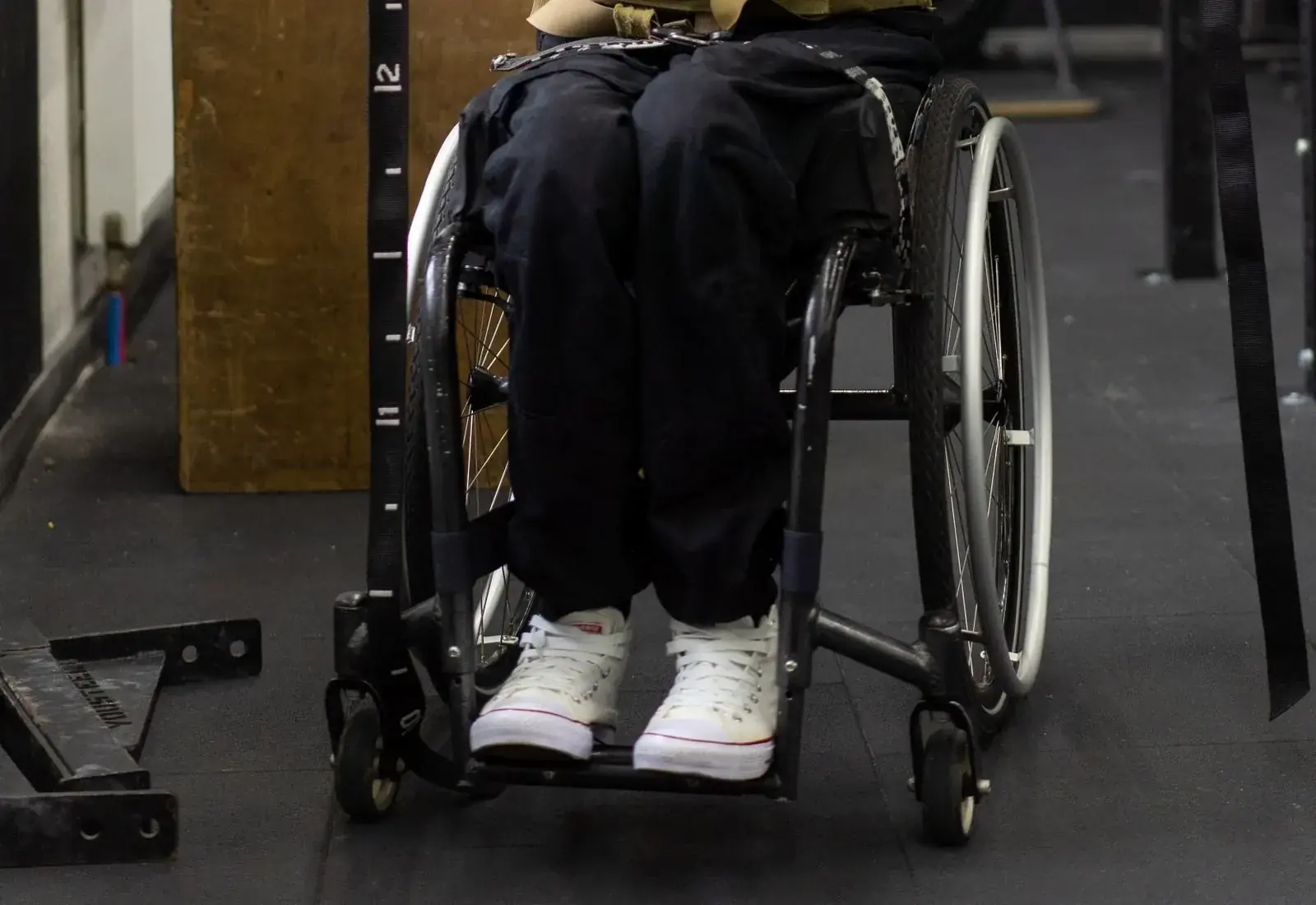 VETERANS
VA Prosthetics and Sensory Aids Service
Veterans enrolled in VA healthcare can discuss mobility limitations with their VA care team. When clinically appropriate, the Veterans Health Administration's Prosthetic and Sensory Aids Service (PSAS) can evaluate wheelchairs and other assistive devices under VA rules, including 38 CFR § 17.150. Decisions depend on VA eligibility, clinical need, assessment and the prescribed equipment.
See criteria & costs
A VA referral is different from an online giveaway. A veteran may need an occupational or physical therapy evaluation, home-access review, training and follow-up service. Ask your VA clinician about repair support, batteries, seating needs, and home modifications at the same time, rather than assuming a travel scooter is the right device.
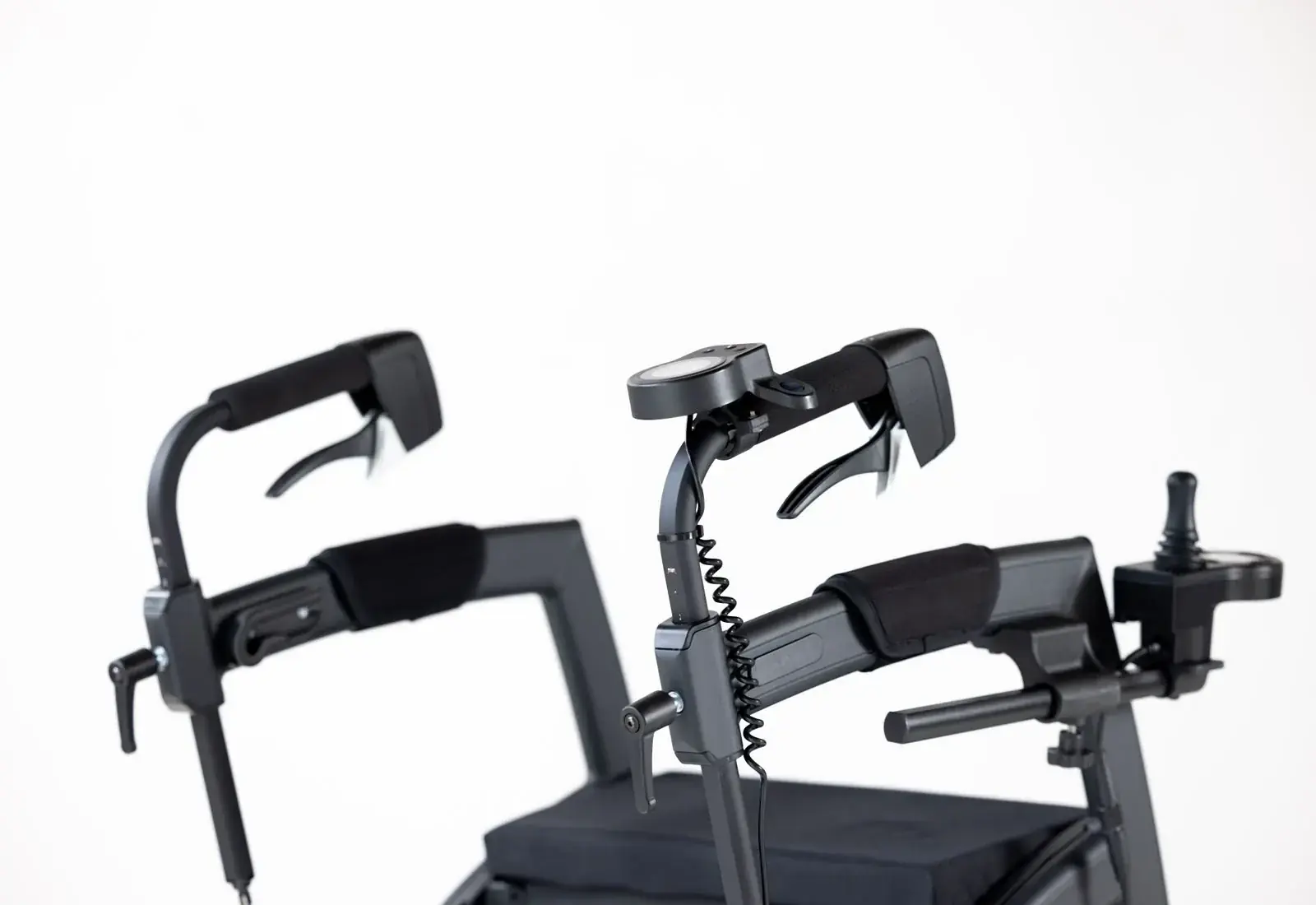 NONPROFIT SUPPORT
Registered nonprofit equipment assistance
Some IRS-recognized charities accept applications for refurbished scooters, power chairs, wheelchair accessories or repairs. American Outreach Foundation (EIN 26-0427467) serves a defined California region, and Friends of Disabled Adults and Children, known as FODAC (EIN 58-1709436), operates equipment programs centered in Georgia. Charity inventory is donated and availability changes; nationwide service should never be presumed.
See criteria & costs
Most applicants should be ready to explain their functional need, where they live, their financial circumstances, whether insurance declined equipment, and who can safely operate or maintain it. Before sharing documents, confirm the organization's current application channel and geographical service area. Follow the free mobility scooter application guide for a structured checklist.
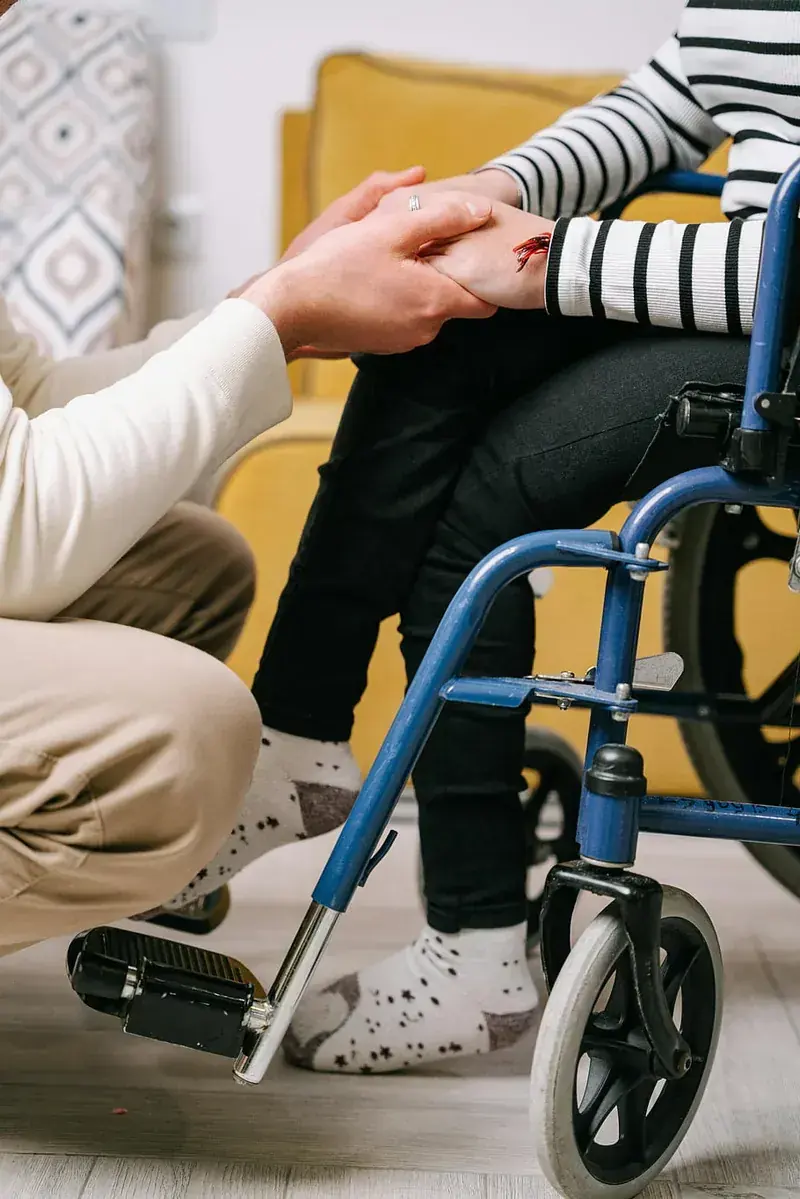 DEVICE REUSE
State Assistive Technology Act reuse networks
The Assistive Technology Act, 29 U.S.C. § 3001, supports state-level systems that help people discover, try, borrow, or obtain assistive devices. State programs differ: one may facilitate a short-term loan, another a demonstration, a refurbishment network, or a financial loan. Local Centers for Independent Living, community aging offices, and service clubs can point to additional reuse organizations.
See criteria & costs
Ask whether equipment is a loan or permanent transfer, what safety checks are completed, whether battery replacements are included, and whether you must arrange transportation. Do not pay a purported shipping deposit to an unknown individual just because they claim they are arranging a donated chair.
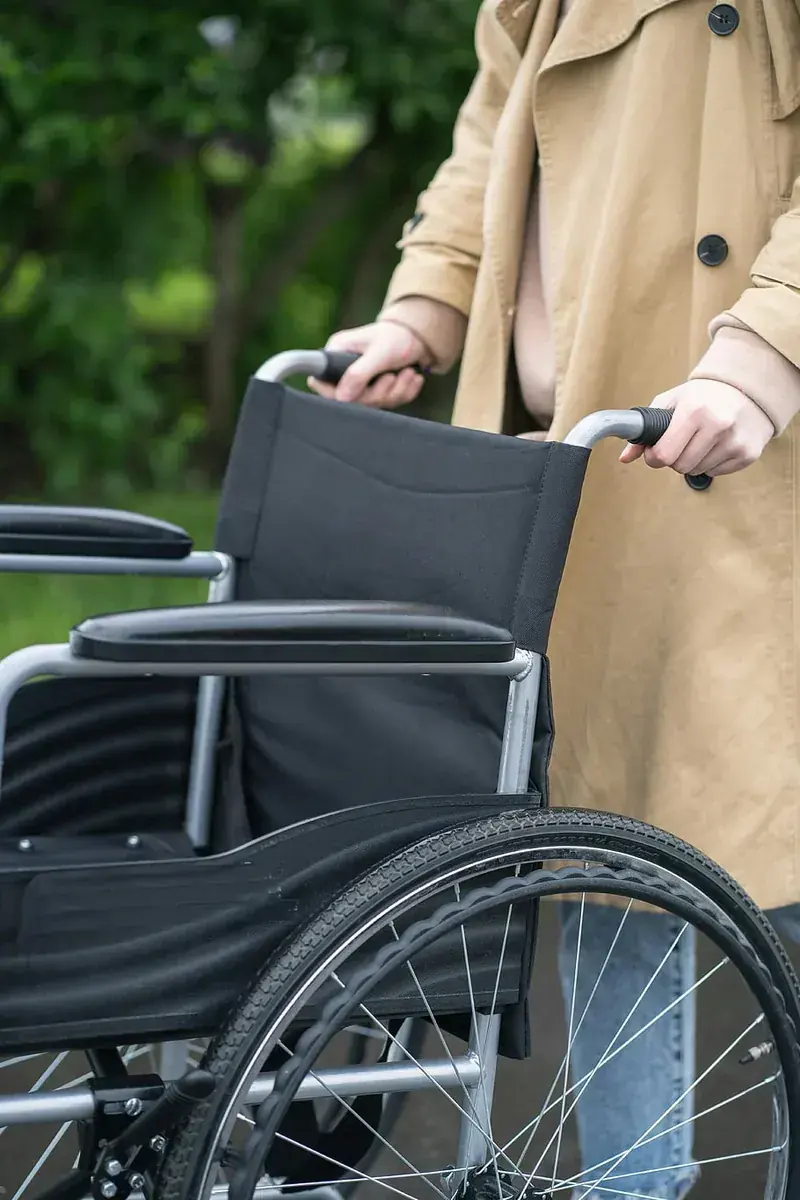 REPAIR SUPPORT
Repairs, batteries and an existing device
If you already own a workable scooter, fixing a battery, charger, tire or controller may be faster and more realistic than waiting for another device. Medicare has rules covering reasonable repairs of covered durable medical equipment and a general reasonable useful lifetime framework under 42 CFR § 414.210. Coverage can depend on ownership, the device's original Medicare status, and the repair circumstances.
See criteria & costs
Ask the original supplier for a written diagnosis, itemized estimate and warranty information. Some nonprofit and community programs accept devices for service when parts or technician resources are available. Our repair and battery assistance guide covers this route in more detail.
A $0 purchase price is not the same as guaranteed zero cost. Insurance deductibles, supplier terms, shipping by a charity, donated battery condition and repairs may change the amount you owe. Request terms in writing.
When Medicare can help pay for a scooter
Medicare mobility scooter coverage is grounded in mobility-related activities of daily living, often abbreviated as MRADLs, under National Coverage Determination 280.3. These are everyday functions such as reaching the bathroom, moving between rooms, bathing, dressing, grooming and eating. The question is not simply whether walking is painful or the person would benefit from a powered device outdoors. The treating clinician must establish that the limitation makes necessary activities at home difficult or unsafe.
Under 42 CFR § 410.38 and the related DMEPOS documentation rules, the clinical encounter and written order matter. The practitioner considers whether a cane or walker solves the mobility problem, whether a manual wheelchair is feasible, and whether a patient can transfer safely and control a power-operated scooter tiller. A power wheelchair may be more suitable when safe tiller steering, trunk stability, transfers or seating needs are concerns. No online matching quiz can replace these clinical decisions.
Outdoor convenience is not the same as an in-home medical need.
Someone may genuinely need help getting to groceries or appointments yet not meet Original Medicare’s scooter criteria. Medicaid waivers, veteran services, state AT programs and nonprofits may offer a different route based on their own rules.
The four-part path from clinical visit to delivery
Medicare rules and prior authorization lists change over time. The following overview is based on the current CMS power mobility and DMEPOS ordering framework. Not every product follows an identical approval timeline, and a supplier should confirm the HCPCS code and documentation route for your situation.
Face-to-face MRADL visit
Discuss daily activities, strength, transfers and the limits of cane, walker or manual chair use.
Standard Written Order
The treating practitioner completes the current SWO, which replaced earlier seven-element order terminology.
Home layout & safe-use check
Clinician or supplier reviews doorway clearance, thresholds, maneuvering space and surfaces.
Required authorization & delivery
The Medicare Administrative Contractor reviews requests when prior authorization applies; supplier arranges delivery.
Official policy references: Medicare.gov coverage for wheelchairs and scooters ↗ and CMS power mobility guidance ↗.
The right device is the one that a qualified clinician considers necessary, safe to operate and usable in the home. A more expensive model is not automatically the better option.
Compare coverage, equipment and out-of-pocket costs
Use this five-column directory as a starting point, not a live inventory feed. Costs, service areas, and enrollment requirements depend on the program and the applicant. The IRS EIN numbers identify nonprofit legal entities; they do not guarantee a local scooter giveaway. Sort any column to compare the routes that may suit you.
| Medicare Part B42 CFR § 410.38 / NCD 280.3 | Eligible power scooters or wheelchairs, based on clinical evaluation | Medically necessary for in-home MRADLs; enrolled providers | Usually deductible plus 20% approved amount; secondary coverage may help | Varies by assessment, supplier and authorization; consult official Medicare guidance |
| State Medicaid / HCBSSSA § 1915(c) | State-authorized durable medical equipment or waiver supports | State Medicaid eligibility plus clinical and program criteria | Varies by state, coverage category and waiver | State agency authorization and supplier timelines vary |
| VA Prosthetics (PSAS)38 CFR § 17.150 | Clinically prescribed VA mobility devices and associated support | VA health eligibility and prescribed need | Determined by VA benefits and item approval | VA clinical referral, assessment and procurement timeline |
| American Outreach FoundationEIN 26-0427467 | Donated/refurbished electric mobility devices when available | Foundation intake and regional service requirements | Ask about donation terms, parts and transport | Local supply and application review vary; regional California service |
| FODACEIN 58-1709436 | Refurbished wheelchairs and home medical equipment | Organization rules and equipment availability | Little or no device charge for qualifying inventory; logistics vary | Regional inventory and pickup/delivery arrangements vary |
| American Wheelchair Foundation / American Wheelchair MissionEIN 26-4571639 | Wheelchairs and mobility assistance through mission partners | Partner distribution and mobility need | Free distribution in supported programs; no universal intake | Ask partner organizations about available distribution |
| Challenged Athletes FoundationEIN 33-0739596 | Adaptive sports equipment for eligible athletes; not a general scooter program | Program-specific adaptive sport eligibility | Grant rules depend on award and item | Application cycles vary; check eligibility before applying |
| State AT Act reuse programs29 U.S.C. § 3001 | Device demonstration, lending, reuse and related services | State program policies and device availability | May be free or low-cost; conditions differ | Local inquiry, stock and inspection schedules vary |
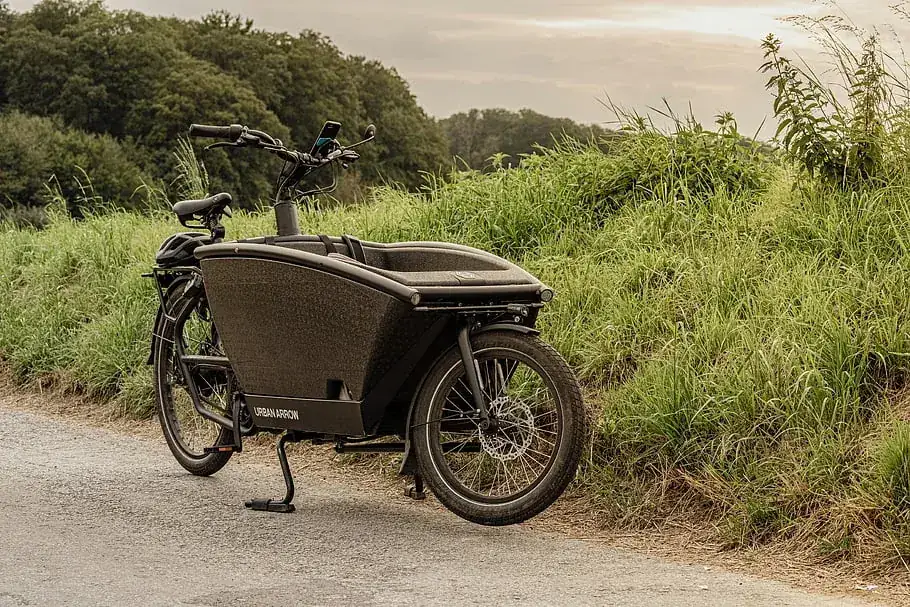 NEW · 2026
Need a ride to work instead of a medical scooter?
Searching for a free electric scooter for commuting? Some cities, states and utilities offer e-bike vouchers for eligible pedal-equipped bicycles, not ordinary kick scooters. Check the local application window, income limits and approved retailer first.
Check 2026 E-Bike VouchersGet your documents ready before you apply
You can begin with information you already have at home. For insurance coverage, a treating practitioner generally needs to document why basic mobility aids are insufficient, and the DMEPOS supplier needs the relevant order and coverage information. Charity programs may ask different questions, such as income, local residence, mobility need and an insurance denial. Never upload your Medicare Beneficiary Identifier or Social Security number to this directory.
Build your equipment request folder
A personal checklist, not an online submission. Nothing here is saved or sent.
Start with your clinician and official program. Keep private benefit information off public directories.
A note about low-income programs and the 200% FPG figure
Household income as a percentage of the Federal Poverty Guidelines can be used by individual assistance programs, but it is not a universal legal cutoff for all donated scooters. Some nonprofits use benefit-based eligibility or a hardship review, others prioritize a geographic community, and certain Medicaid programs have different income and resource calculations. If a program mentions 200% FPG, request its current household-size table and ask whether it uses gross or net income and which year applies.
For people trying to understand how to get a free mobility scooter, eligibility often becomes clearer only after gathering functional information and choosing a program. A person who needs equipment only for outdoor trips may be better served by state assistive technology lending or community resources than by pursuing a Medicare claim that doesn't match the national coverage criteria.
Spot scooter scams before they cost you money
A fraudulent phone call may sound convincing because the caller uses real Medicare terms, mentions a motorized scooter, or promises that a doctor has already approved an order. An unsolicited caller is not your treating clinician or your insurer. Before accepting a device, verify both who requested it and why it is medically appropriate. Be cautious of advertisements that promise to ship immediately without a face-to-face assessment.
Equipment fit and safetyTrusted clinical supportSix red flags worth recognizing
- Unsolicited requests for an 11-character Medicare Beneficiary Identifier. Hang up and contact Medicare or the supplier through an independently verified number.
- “Pre-approved” equipment without your treating clinician. Medical necessity must come from a legitimate evaluation and order, not an advertisement.
- Gift cards, peer-to-peer transfers or wire payments for delivery. Treat these as signs of fraud when advertised as a government benefit.
- Pressure to sign for equipment you didn't request. Inspect deliveries and understand what your insurer is being billed.
- Claims that every model is Medicare covered. Coverage depends on the actual equipment code, supplier and clinical criteria.
- No paperwork about ownership, repair responsibility or a return policy. Request written terms and confirm contact information with the organization.
If an unexpected device arrives or your Medicare Summary Notice shows a claim you don't recognize, contact the health plan or Medicare using official contact information and report suspected fraud. Keep copies of messages, transaction details and any documents. Do not confront a suspicious seller or send extra payment to “release” equipment.
How mobility equipment programs changed through 2026
Policy dates matter because older articles may describe a paperwork or coverage process that has since changed. Our research framework keeps earlier milestones visible while giving current readers the Medicare, VA and nonprofit rules they need to confirm today. The timeline below distinguishes historical program developments from active assistance routes.
Power mobility documentation and prior authorization baseline
CMS continued the national program for prior authorization of selected power mobility devices. The clinical assessment framework under NCD 280.3 emphasized in-home daily activity limitations, and state Assistive Technology Act networks offered equipment reuse and demonstrations.
Public health emergency and order-rule changes
CMS standardized DMEPOS written-order requirements effective in 2020. During the public health emergency, certain telehealth and delivery arrangements shifted, while nonprofit repair, reuse and equipment-distribution programs adapted to changing supply conditions.
Power wheelchair feature and coverage developments
CMS established Medicare coverage criteria for power seat elevation on qualifying power wheelchair systems, and suppliers continued to work within established repair and replacement rules. Some prior authorization lists and equipment guidance were updated.
Current coverage, VA and equipment-reuse pathways
Original Medicare Part B, state Medicaid policies, VA Prosthetics and Sensory Aids Service, and nonprofit DME reuse remain separate routes. Applicants should verify their plan, referral channel and equipment availability; no charity's intake should be assumed open without checking.
For veterans, the VA Prosthetic and Sensory Aids Service describes its equipment and rehabilitative assistance through the official VA PSAS information page ↗. The relevant federal equipment regulation includes 38 CFR § 17.150.
Questions worth asking before you apply
Quick, practical answers to the most common eligibility, insurance and charity questions. If your situation involves complex medical needs, ask your treating clinician or qualified assistive technology professional for an individualized assessment.
Can a senior really get a free mobility scooter through Medicare?
Medicare Part B may cover a medically necessary scooter for home use, but Original Medicare commonly leaves the deductible and 20% coinsurance. Qualifying secondary insurance or Medicaid may reduce the amount owed, depending on coverage rules.
Does Medicare pay for a scooter used only for shopping?
Original Medicare's power mobility coverage focuses on problems performing daily activities inside the home. A scooter used only for errands or outdoor recreation generally does not meet that in-home medical-necessity requirement; community aid may be more relevant.
What is the difference between a power wheelchair and a scooter?
Scooters use tiller steering and require adequate safe transfers and postural control. Power wheelchairs typically use joystick or other alternative controls and can support more complex seating needs, subject to clinical assessment.
Can Medicaid provide a free electric wheelchair?
Many state Medicaid programs cover medically necessary power wheelchairs when their clinical and authorization rules are met. Benefits and cost-sharing vary by state, and some beneficiaries may also qualify for home and community-based waiver supports.
Which organizations donate used scooters and wheelchairs?
American Outreach Foundation and FODAC are established nonprofits associated with mobility equipment support, but their inventory, eligibility and regional reach differ. State assistive technology reuse networks and local loan closets can provide additional leads.
Will the VA cover a veteran's mobility scooter?
The VA may furnish medically necessary mobility equipment through its healthcare and prosthetics processes for eligible veterans. A VA clinical evaluation, prescription and applicable equipment approval determine what is provided.
Can I get a replacement battery or repair grant?
Covered Medicare equipment may qualify for reasonable repair support under applicable DME rules, while some nonprofits assist with used-device repairs or batteries when resources permit. Ask the original supplier for an itemized diagnosis and whether your plan covers the work.
How long does an application take, and should I pay a processing fee?
Timelines depend on clinical documentation, insurer review, supplier availability or nonprofit inventory. ApplyFreeScooter.com charges no application or referral fees; do not pay a stranger to guarantee government approval or to release a donated scooter.
A clearer route to safer daily mobility starts with one conversation.
Begin with your clinician or current benefits program, then explore equipment reuse if insurance is not the right fit. When you need a nearby loan closet or a donor connection, use our dedicated application and resource hub.